
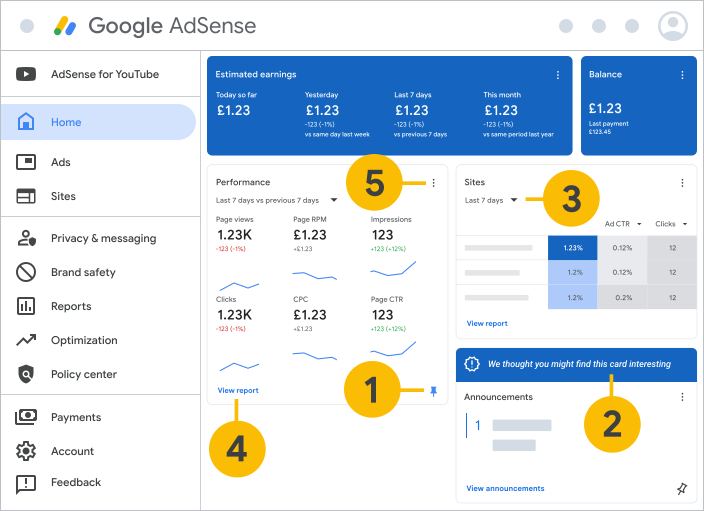


As the online advertising landscape continues to evolve, securing Google AdSense approval remains a crucial milestone for website owners and content creators in 2026. With the potential to generate significant revenue through ad placements, understanding the specific requirements and best practices for approval is essential. This article will guide you through the key eligibility criteria, essential website requirements, and content guidelines necessary to enhance your chances of approval. Whether you are a seasoned publisher or new to the digital space, following these insights will help you navigate the application process and maintain compliance for ongoing success.
Understanding AdSense: Overview and Importance
What is Google AdSense?
Google AdSense is a program run by Google that enables website owners to monetize their content by displaying targeted ads. If you’ve ever stumbled upon ads while reading an article or browsing a blog, there’s a good chance those sites are cashing in on Google AdSense. It’s like inviting the neighborhood convenience store to pay you for showcasing their wares – except these “wares” are ads tailored to your visitors’ interests.
The Benefits of AdSense for Publishers
AdSense offers a buffet of benefits for publishers. First off, it’s simple to set up – no tech guru required! You get access to a vast network of advertisers, which means more relevant ads and increased chances of earning money. Plus, Google takes care of the heavy lifting, from ad placement to payment processing. In short, it’s like getting a personal assistant for your blog but without the need for coffee runs.
Key Eligibility Criteria for AdSense Approval
Age Requirements
To get on Google’s good side, you need to be at least 18 years old. Think of it as one of those club rules that keeps the vibe in check—no minors allowed! If you’re under 18, you might need a parent or guardian to lend a hand (and maybe some moral support) in setting things up.
Geographic Restrictions
Not all countries are created equal when it comes to AdSense. Google has specific geographic restrictions, meaning AdSense is only available in certain regions. If you’re in a country not on the approved list, it’s time to check the map or, better yet, consider relocating to a more AdSense-friendly zone. (Just kidding! Or maybe not?)
Essential Website Requirements
Domain Ownership and Registration
You need to own your domain and have it properly registered—no squatting allowed! This means claiming your corner of the internet with a legitimate domain name. Just make sure you can demonstrate control over it; think of it as your digital real estate paperwork.
Website Design and User Experience
A clean, user-friendly design is crucial. Your website should look inviting, not like a digital garage sale. Opt for simple navigation, fast loading times, and an uncluttered layout. Remember, if potential visitors feel lost in your site, they’re likely to bounce faster than a rubber ball on a trampoline.
Mobile Responsiveness
In 2026, everyone and their dog is browsing on mobile devices—so your site better keep up! A mobile-responsive design is non-negotiable. This means your site should automatically adjust to fit any screen size, offering users a smooth experience whether they’re on a smartphone, tablet, or giant flat screen.
Content Guidelines and Best Practices
Quality Content Standards
Google loves quality content, and so should you! Aim for original, well-researched, and engaging material that resonates with your audience. Think of your content as a fine wine—better with age and definitely worth savoring. If it’s fluff, the only thing that’ll get approved is your local snooze fest.
Prohibited Content Types
There are certain content types that will make Google frown deeper than your high school math teacher. Avoid adult content, hate speech, violent material, and anything that smells like spam. In short, keep it classy, and you’ll stay in Google’s good graces.
Regular Content Updates
Stagnant websites are like old bread—nobody wants them! Make a habit of updating your content regularly. This not only keeps your audience engaged but also signals to Google that you’re serious about providing fresh information. The more dynamic your site, the more likely it is to attract both visitors and ads.
Navigating the Application Process
Preparing Your Site for Submission
Before you hit that magical “Submit” button, ensure your site is as polished as a new pair of shoes. This means having quality content (at least 20-30 well-written articles), a clean design, and easy navigation. Don’t forget to include an About page, a Privacy Policy, and a Contact page—these not only add credibility but also show Google you mean business.
Completing the Application Form
Filling out the application form isn’t rocket science, but there are a few key areas where you can trip up. Make sure all your information is accurate—no typos or half-hearted attempts at creativity. Be upfront about your content type and website purpose. Google appreciates honesty, and it might just give you a thumbs-up for being straightforward.
Waiting for Approval: What to Expect
So, you’ve applied and now you’re in a waiting game—like watching paint dry but worse. Approval can take anywhere from a few days to several weeks. During this time, get cozy with your website; continue producing quality content and engaging with visitors. If you’re rejected, don’t panic! Use it as a learning experience to polish your site further—it’s like getting feedback on your cooking from a tough critic.
Common Mistakes to Avoid
Overlooking Policy Guidelines
Ignoring Google’s policy guidelines is like ignoring your GPS and taking random turns—bound to end in chaos! Familiarize yourself with AdSense policies regarding content, ads, and user experience. Skimping on these guidelines can lead straight to rejection city, population: you.
Submitting Incomplete Applications
An incomplete application is like sending a gift without wrapping paper—bare and uninviting. Double-check that all sections are thoroughly filled out and submit all necessary documentation. If Google has to chase you for information, they might just decide it’s not worth their time.
Strategies for Enhancing Approval Chances
Building a Strong Traffic Base
Having traffic is like having friends at a party—everyone wants to be where the action is! Focus on driving traffic organically through SEO and social media. The more visitors you have, the more appealing your site looks to Google when reviewing your application.
Engaging with Your Audience
Engagement is key! Respond to comments, ask for feedback, and create content that resonates with your audience. A lively site with active discussions signals to Google that you’re creating a valuable space for users rather than a ghost town.
Maintaining Compliance Post-Approval
Monitoring Ad Performance
Once you’re in, don’t kick back and relax just yet! Keep an eye on your ad performance. Understanding click-through rates and user interactions helps you optimize for better revenue and ensures you’re compliant with Google’s best practices.
Adhering to Updated Policies
Google loves change—it’s like their middle name. Keep yourself updated with the latest AdSense policies and adjustments. Regularly review their guidelines and make necessary tweaks to your site, so you don’t find yourself in hot water later on. Trust us, staying compliant is much easier than dealing with account suspension!In conclusion, achieving Google AdSense approval in 2026 requires a thorough understanding of the requirements and best practices outlined in this article. By ensuring your website meets the eligibility criteria, adheres to content guidelines, and avoids common pitfalls, you can significantly improve your chances of success. Remember that maintaining compliance is just as important as the initial approval, so continue to engage with your audience and adapt to any changes in AdSense policies. With dedication and effort, your website can thrive in the world of online advertising.
Frequently Asked Questions (FAQ)
How long does it take to get AdSense approval?
The approval process can vary, but most applicants receive a response within a few days to a couple of weeks. Factors such as the completeness of your application and the current volume of applications being reviewed can influence the timeline.
Can I apply for AdSense if I have a new website?
Yes, you can apply for AdSense with a new website, but it is crucial that your site has quality content, complies with AdSense policies, and is fully functional before submitting your application.
What should I do if my AdSense application is rejected?
If your application is rejected, carefully review the feedback provided by Google, address the issues mentioned, and make necessary improvements to your website before reapplying.
Are there any specific niches that are more successful with AdSense?
While AdSense can work across various niches, topics that attract high traffic and engagement, such as finance, technology, and health, often yield better results due to higher advertiser competition.
Leave a Reply