

In today’s digital world, keeping your online presence safe is crucial. Cyber threats grow every day, threatening your hard work and personal data. Proactive defense is key to protecting your digital assets from harm.

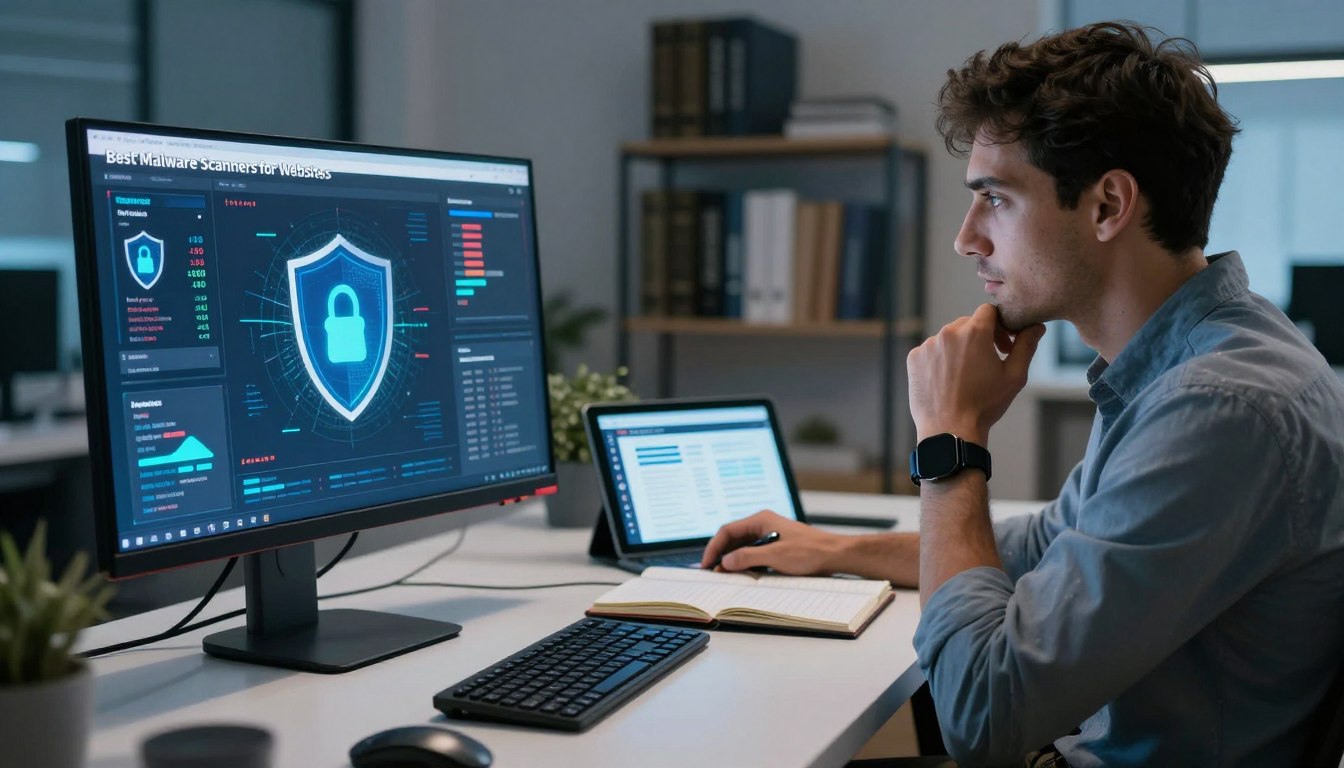
This article is a detailed guide to the Best Malware Scanners for Websites. It offers tips to spot vulnerabilities early. Our Online security tutorials are designed for everyone, from beginners to experienced developers.
By following these steps, you can create a strong defense for your platform. Let’s look at the tools that keep your business safe and running smoothly.
Key Takeaways
- Understand the importance of regular vulnerability assessments.
- Learn how to identify common entry points for cyber attacks.
- Discover top-tier tools to monitor your digital environment.
- Gain confidence in managing your own server security.
- Implement best practices to prevent unauthorized access.
Understanding the Importance of Website Security
Every website owner must fight off new threats all the time. The internet keeps growing, and so do the bad guys. Using strong website security tools is key to keeping your site safe from hackers.
The Growing Threat of Web-Based Malware
Nowadays, automated bots and scripts are a big problem. They look for weak spots in your site all the time. Cyber threat prevention is crucial because these attacks can sneak up on you without warning.
By using top-notch Cyber threat prevention methods, you can stop these bots before they harm your site. Keeping up with these threats means staying alert and using the right tools.
How Malware Impacts Search Engine Rankings
Search engines care a lot about keeping users safe. If they find malware on your site, they’ll mark it as dangerous. This can really hurt your site’s visibility, as browsers will warn people away.
Keeping your site clean is key to good SEO. A healthy site means search engines will rank you higher, making it easier for people to find you.
Protecting User Data and Building Trust
Your visitors want to feel safe when they visit your site. Protecting user data is not just a rule; it’s essential for keeping your customers loyal. If your site gets hacked, losing customer trust can be worse than the fix itself.
Good website security tools help keep your visitors’ info safe. By prioritizing security, you show your visitors that their safety is your main goal.
| Threat Type | Potential Impact | Security Priority |
|---|---|---|
| Automated Bots | Resource Exhaustion | High |
| Malicious Scripts | Data Theft | Critical |
| SEO Blacklisting | Traffic Loss | High |
| Plugin Vulnerabilities | Unauthorized Access | Critical |
Criteria for Selecting the Best Malware Scanners for Websites
Finding the best malware scanners for websites is about finding a balance. You need tools that perform well and inspect deeply. They should protect your site without slowing it down. It’s important to choose tools that fit your specific needs.
Real-Time Monitoring Capabilities
Threats change fast, so constant watchfulness is key. The top website security tools monitor in real-time. They catch suspicious activity right away. This helps block harmful traffic before it’s too late.
“Security is not a product, but a process that requires continuous oversight and adaptive technology to stay ahead of emerging threats.”
— Cybersecurity Industry Expert
Ease of Integration with Content Management Systems
A good scanner must work well with your current setup. It should install easily with platforms like WordPress, Joomla, or Drupal. This ease of integration means less downtime and faster security setup.
Reporting and Automated Cleanup Features
Good website vulnerability scanning gives you more than just a list of problems. You need clear reports that tell you what to do next. Plus, tools that clean up malware automatically save you time and effort.
| Feature Category | Essential Requirement | Operational Benefit |
|---|---|---|
| Monitoring | 24/7 Real-time alerts | Instant threat mitigation |
| Integration | CMS-native plugins | Reduced setup complexity |
| Remediation | Automated file repair | Faster recovery times |
| Reporting | Detailed vulnerability logs | Improved security posture |
Focus on these key points to choose the right protection for your site. Quality tools today can save you from big data breaches and keep your site safe for the long run.
Top Tier Malware Scanning Solutions for Modern Websites
Now, even small websites can have top-notch security. Choosing the Best Malware Scanners for Websites is key to keeping your site safe. These tools protect your site from harm, keeping it running smoothly for everyone.
Sucuri SiteCheck and Security Platform
Sucuri provides a top-notch malware detection software. It finds threats that other tools miss. With Sucuri, you get to watch over your site closely, catching any changes fast.
It’s great for businesses that need to act quickly. You can manage your site’s security from one place, making it easy to keep everything safe.
Wordfence Security for WordPress Environments
For WordPress sites, the right WordPress security plugins are crucial. Wordfence is a standout with its firewall and scanner. It’s made to protect WordPress sites from threats.
- Real-time threat intelligence updates.
- Login security features including two-factor authentication.
- Live traffic monitoring to spot malicious patterns.
MalCare Automated Scanning and Firewall
MalCare makes security easy with its automated scanning and Web application firewall. It blocks bad attempts to get into your site, keeping it safe.
This tool works all the time, so you don’t have to. It’s perfect for developers who want strong security without hassle.
| Solution | Primary Strength | Best For |
|---|---|---|
| Sucuri | Enterprise Monitoring | Large Networks |
| Wordfence | WordPress Integration | WP Site Owners |
| MalCare | Automated WAF | Rapid Deployment |
Setting Up Your First Website Environment
Starting your first website is a big step towards growth and security. It’s not just about a good idea; it needs a solid foundation. Choosing the right tools from the start helps avoid problems later and keeps your site running smoothly.

Securing Free Domains and Hosting at Freedomainnow.com
Starting a project doesn’t have to break the bank. freedomainnow.com offers Free domain registration and hosting. You get premium domain names like .xyz and .shop for free for a year.
“The quality of your hosting environment is the silent partner in your website’s success, influencing everything from load times to overall security posture.”
Configuring RDP Server Access for Enhanced Management
After setting up your domain, managing your server is key. RDP server hosting lets you control your files and settings easily. It offers a user-friendly interface for developers of all levels.
Having remote access is crucial for updates and security patches. It saves time and ensures your site is always up to date.
Deploying Initial Security Protocols on New Domains
Setting up Secure hosting solutions right away is vital. Start with these steps to secure your site:
- Enable SSL certificates to encrypt data transmission between the server and users.
- Restrict administrative access to specific IP addresses to prevent unauthorized logins.
- Install basic firewall rules to filter incoming traffic and block malicious requests.
These steps create a strong defense for your online presence. By focusing on security early, you build a site ready for the modern web.
Step-by-Step Guide to Running a Malware Scan
Learning to scan your website for malware is crucial for site admins. It helps keep your site safe from hackers and data thieves. Regular checks are key to a strong defense.
Configuring Scan Frequency and Depth
Setting a regular Security scan frequency is important. Sites with lots of visitors or handling sensitive data need scans more often. Adjust your Malware detection software to scan deeply during quiet times.
- Daily scans for e-commerce or high-traffic portals.
- Weekly deep scans for smaller, static websites.
- Immediate ad-hoc scans after installing new plugins or themes.
Analyzing Scan Results and Identifying Vulnerabilities
After a scan, you need to check for vulnerabilities. Look for outdated software, strange file changes, or unauthorized database access. This helps you fix the biggest risks first.
Keeping a log of these findings is a good idea. It lets you see how your site’s security has changed over time. This way, you can spot patterns and act quickly.
Interpreting False Positives in Security Reports
Malware scanners sometimes mistake good code for bad, known as false positives. It’s important to know the difference. If you’re not sure about an alert, check Online security tutorials or your software’s help.
Always check the file’s path and code before deleting it. If it’s part of a trusted plugin or system, it might just need an update. The right Security scan frequency and careful checking keep your site safe and running smoothly.
Automating Security Workflows for Continuous Protection
Automation is key to modern digital defense. With automated security workflows, your site is always watched without needing human help for every little thing. This is crucial for stopping Cyber threat prevention since attacks happen all the time.

Scheduling Regular Scans to Prevent Data Breaches
How often you check for security issues is key. Setting the right Security scan frequency helps catch bad code early. Most tools let you choose daily or weekly scans to keep your site safe.
Regular scans warn you of problems early. Automating these checks means you won’t forget to do them when you’re busy. This is crucial for keeping your website safe for a long time.
Setting Up Email Alerts for Suspicious Activity
Getting alerts right away is important for quick action. Set up your security dashboard to send emails for things like unauthorized logins or file changes. This immediate visibility lets you act fast to stop small problems from getting bigger.
Make sure your alerts focus on the big threats. Ignore the small stuff to focus on real dangers. This clear communication is key to good security management.
Integrating Web Application Firewalls with Scanners
A Web application firewall is a must-have for blocking bad traffic. When you link it with scanners, you get a strong defense. The firewall stops known threats, and the scanner finds hidden ones.
This combo protects your digital stuff well. By connecting these tools, you get a unified defense system that’s much stronger than separate security tools. Spending time on this setup will make your website much safer against today’s threats.
Handling Malware Infections and Remediation
When your website gets hit by a cyberattack, how fast you act matters a lot. Quick action in Malware remediation steps is key to getting your server back. This way, you avoid long downtime and stop more unauthorized access.
Isolating Infected Files and Directories
First, you need to stop the threat from spreading. Move any suspicious files to a safe area or lock them down. Isolating these components helps keep other parts of your system safe from harm.
- Disable public access to the affected directories.
- Change all administrative passwords right away.
- Check server logs to find where the attack started.
Cleaning Malicious Code from Core Files
After stopping the threat, clean your codebase to Protect user data. Compare your files with a clean version of your CMS or app. Look for hidden code or unauthorized changes in core files.
If coding scares you, use security tools to scan and fix issues. Consistency is key in removing malware. Make sure to update your security patches after cleaning up.
Restoring Website Integrity from Clean Backups
The last step is to Restore website integrity to get your site running smoothly again. If the infection is severe, the best option is to start fresh with a clean backup. This method ensures all malware is gone from your server.
After restoring your site, do a security check to make sure it’s clean. Regularly test your backup recovery to be ready for future attacks. Keeping your site clean protects your reputation and visitor safety.
Advanced Security Measures Beyond Scanning
Automated scanning is just the start of keeping your website safe. A single tool can’t protect against all threats. Using server hardening techniques adds a strong layer of defense against unauthorized access and data breaches.
Implementing Two-Factor Authentication
Enabling two-factor authentication is a top way to secure your admin dashboard. It asks for a second verification, like a code from a mobile app or a hardware token. Even if hackers get your password, they still need this extra step.
Most platforms support two-factor auth easily. It’s a good idea to make it a rule for all admin users. It’s a simple but effective way to stop brute-force attacks.
Hardening Server Configurations via RDP
If you use RDP server hosting, securing your setup is crucial. Default settings are often targeted by bots. Change default ports, disable unused services, and limit access to certain IP addresses.
Here are some key steps for a safer setup:
- Use strong, complex passwords for all remote accounts.
- Implement an account lockout policy to stop repeated login attempts.
- Keep your operating system patched with the latest security updates.
- Use a Virtual Private Network (VPN) to tunnel your remote connections.
Regularly Updating Plugins and Themes
Outdated software is a common entry point for hackers. Check your WordPress security plugins and core files weekly. Developers often release patches to fix new vulnerabilities that scanners might not catch.
Consistency is key in keeping your site safe. Automating updates reduces the time hackers have to exploit bugs. Always test updates in a staging environment before applying them to your live site.
Leveraging Free Resources for Secure Web Development
Smart developers use free resources to grow. Choosing the right infrastructure early helps keep costs low. Secure web development means picking tools that perform well and protect your site from the start.
Maximizing the Value of .xyz and .blog Domains
Having a professional online identity is key. freedomainnow.com offers free domain registration for premium domain extensions. You can get .xyz, .blog, .shop, and .ws domains without spending a lot.
“The best way to predict the future is to create it with the right tools at your disposal.”
These domains are more than just names. They’re assets that build trust with your audience. The one-year free offer lets you focus on development, not fees.
Utilizing RDP Hosting for Secure Development Environments
A good development environment needs more than a domain. RDP server hosting offers control and privacy for testing. It lets you manage your server directly.
This is great for developers who need to test security patches or manage software. A free RDP server for a year lets you try different security setups safely.
Scaling Security as Your Website Traffic Grows
As your site gets more visitors, your security needs will change. It’s important to have a plan that grows with your site. Here are some steps to keep your site safe:
- Automate backups to ensure data recovery is always possible.
- Monitor server logs regularly to detect unauthorized access attempts.
- Upgrade your hosting resources as traffic spikes to prevent performance bottlenecks.
Starting with a strong foundation keeps your site safe. Regular monitoring and updates protect your site as it grows.
Conclusion
Keeping your website safe is a constant job. It needs the right tools, regular checks, and quick action. Now, you know how to protect your online space from threats with Sucuri and Wordfence.
Your dedication to safety makes every visitor trust you more. By following these steps, you make your site strong against bad attacks. And you keep your data safe.
Use Freedomainnow.com to build a solid base for your online projects. As your site gets more visitors, increase your security. This way, your hard work stays safe from new dangers.
Begin using these safety steps today to protect your online world. Share your experiences with these tools. Help others make their websites safer on the internet.
FAQ
Which tools are considered the best malware scanners for websites today?
Top tools for website protection include Sucuri SiteCheck and Wordfence Security. Sucuri SiteCheck is great for scanning websites remotely. Wordfence Security is the best for WordPress security plugins because it integrates well with endpoints.MalCare is perfect for those who want automated security workflows. It scans automatically and removes malware with just one click.
How does a malware infection impact my search engine rankings?
Malware can hurt your search engine visibility a lot. If search engines find malicious scripts, they might blacklist your site. This shows a “This site may be hacked” warning to users.This warning can cause a big drop in visitors. It also harms the long-term visitor trust you’ve built.
Where can I find secure hosting and free domain registration for a new project?
You can start your website at freedomainnow.com. They offer Free domain and Hosting with RDP server for 1 year no charge. You get premium domain extensions like .xyz, .blog, .shop, and .ws.This gives you a professional start for secure web development without spending a lot at first.
What is the benefit of using an RDP server for website management?
An RDP server (Remote Desktop Protocol) lets admins do server hardening safely. With RDP server hosting from freedomainnow.com, you can manage files and set up initial security protocols.You can also run malware detection software on the server. This is safer than using public connections.
How often should I perform a website vulnerability scanning routine?
How often you scan depends on your site’s traffic and complexity. At least, do daily automated scans.Busy e-commerce sites or those handling sensitive user data should watch for threats in real-time. This helps block cyber threats quickly.
What should I do if my website is already infected with malicious code?
If your site is infected, act fast. First, isolate infected files. Then, clean the malicious code from important directories.Change all admin passwords. The best way to fix your site is to restore it from a clean backup. Then, use a web application firewall (WAF) to keep it safe.
Can I secure my website using only free tools?
Yes, you can build a strong defense with free tools. Use online security tutorials and free services at freedomainnow.com.Free versions of Wordfence or Sucuri can help protect your .blog or .shop domain. You don’t need to spend a lot.
Why is two-factor authentication (2FA) necessary if I have a malware scanner?
Malware scanners find threats, but two-factor authentication stops unauthorized access. It’s a key part of server hardening.Even if hackers get your login info, 2FA adds a second layer of protection. It makes sure only the right people can get into your secure hosting solution.
Leave a Reply